Born to Game, Forced to Work: A Practical Graphics Review for Print Templates
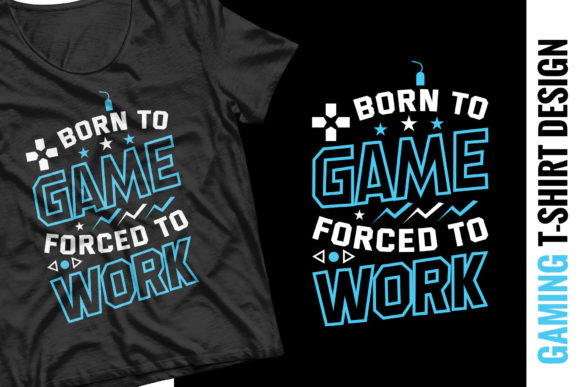
I recently came across a design asset titled Born To Game, Forced To Work while scouting for fresh content for my upcoming print-on-demand collection. As someone who has spent years managing digital product shops on Etsy and Creative Fabrica, I know that the difference between a listing that sells and one that sits in limbo often comes down to file quality, versatility, and how well the visual personality fits a specific niche. This particular graphic design asset caught my eye because it speaks directly to a massive audience: gamers who are also working professionals.
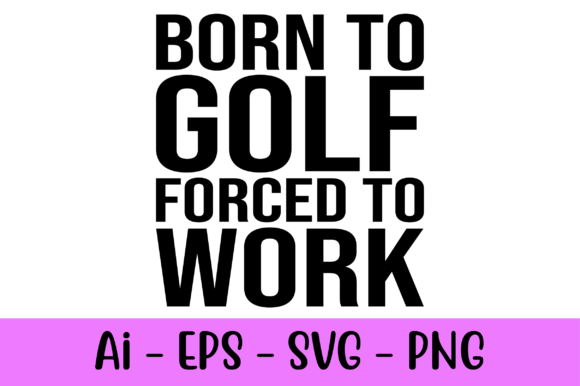
The core concept is simple but effective. It captures the relatable struggle of balancing a love for gaming with the demands of a 9-to-5 job. Before I committed to adding this to my inventory, I needed to evaluate whether it could serve as a standalone t-shirt design or if it had enough flexibility to be repurposed into other revenue streams like mugs, tote bags, or digital planners. The file specs provided were promising: a high-resolution 4000 by 4000 pixel image at 300 DPI, which is the gold standard for physical printing. More importantly, the inclusion of editable AI files for Adobe Illustrator and EPS formats for broader software compatibility suggests this is built for creators who need to tweak text or adjust layouts.
First Impressions and Niche Appeal
When you first look at Born To Game, Forced to Work, the vibe is undeniably playful yet slightly edgy. It isn't trying to be elegant or rustic; it is bold, modern, and commercial. This aesthetic is perfect for the "gamer dad," the "working mom gamer," or the young professional who spends their evenings leveling up characters instead of watching TV. The mood is humorous and self-deprecating, which is a powerful driver for sales in the gaming community.
For an online shop owner, this kind of visual personality is valuable because it targets a specific emotional state. Buyers aren't just looking for a picture; they are looking for a statement piece that validates their lifestyle. If your brand identity relies on being fun, relatable, and culturally relevant, this illustration fits right in. It feels premium enough to justify a higher price point on merchandise but casual enough to blend in with trending designs on social media feeds.
Real-World Testing Across Product Categories
The true test of any digital product is its versatility. Can it survive being scaled down for a sticker or blown up for a poster? In my experience, starting with a real mockup scenario is the best way to judge potential. Imagine preparing a new seasonal collection for a Shopify store or a bundle on a creative marketplace. Here is how I would deploy Born To Game, Forced to Work across various categories:
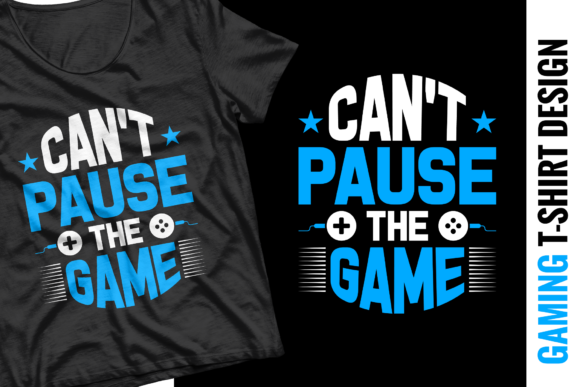
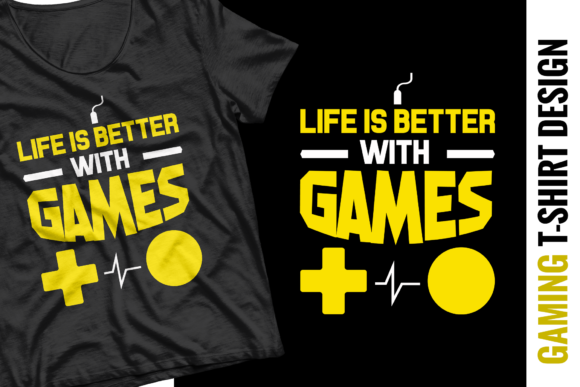
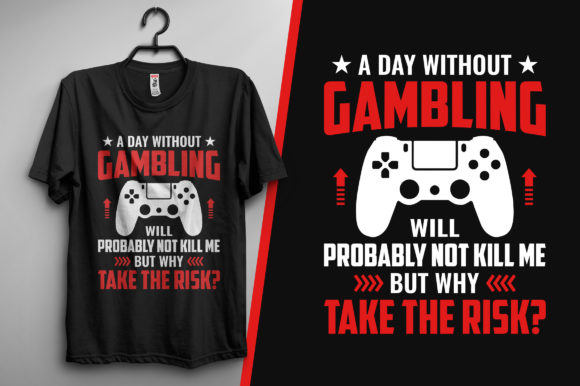
- Merchandise Graphics: The primary use case is obviously apparel. On a black t-shirt, the contrast would pop, making it a standout item for print-on-demand platforms like Redbubble or Teespring. It also translates beautifully to mug designs and tumblers, where the text-centric nature of the design ensures readability even on curved surfaces.
- Digital Downloads: Because the file includes vector formats (AI and EPS), I can easily convert this into a Cricut project file for crafters. They could cut out the text for vinyl decals or use the design for sublimation projects on phone cases and notebooks. It could also be part of a larger clipart bundle for scrapbooking kits.
- Canva Templates: Many sellers create templates for bloggers and small business owners. This graphic could serve as a header image for a blog post about work-life balance or a cover photo for a newsletter aimed at gamers. Its clean lines make it easy to overlay text without cluttering the composition.
- Printable Wall Art: While the phrase is short, it works well as a minimalist poster for a home office or a gaming room. The 300 DPI resolution ensures it prints sharply on canvas or matte paper, appealing to customers looking for decorative layouts.
Optimizing Product Presentation and Listing Images
In the world of Etsy products and other marketplaces, the thumbnail is everything. You have seconds to convince a browser to click. When designing the listing images for Born To Game, Forced to Work, I would focus on visual storytelling. Instead of just showing the flat file, I would present it on a variety of backgrounds to demonstrate its adaptability.
Using a mockup preview of the design on a dark-colored hoodie helps establish the intended mood, while placing it on a white background shows its clean edges for those interested in DIY customization. For the main listing image, combining the graphic with a lifestyle shot—like a person holding a coffee mug with the design on it—can significantly boost perceived value. This approach creates a sense of trust and helps the customer visualize owning the final product. Furthermore, grouping this asset with other gaming-themed graphics in a design bundle can increase the average order value, offering customers a cohesive set of brand identity elements.
Strategic Placement and Potential Pitfalls
While this asset is robust, there are scenarios where it requires careful handling. It should not be used for tiny details where text legibility is compromised, such as very small sticker designs or intricate jewelry tags. The resolution is high, but if the original design is text-heavy or relies on fine linework, scaling it down too much might result in a blurry mess on a low-resolution print product.
Additionally, when using this for SVG design projects involving cutting machines like Silhouette or Cricut, I always recommend inspecting the cut quality first. Sometimes, complex intersections in vector files can cause issues during the cutting process. It is crucial to verify that the paths are closed and that the layers are organized correctly before selling them as a cutting file. Also, avoid placing this on dark backgrounds without ensuring sufficient contrast; the design needs to stand out to maintain its impact.
Practical Seller Notes for Implementation
If you decide to integrate Born To Game, Forced to Work into your shop, here are some essential steps to ensure professionalism and compliance:
- Test on Real Mockups: Never list a digital asset without seeing it in context. Use tools to place the design on actual products to check color accuracy and layout balance.
- Verify File Formats: Ensure the AI and EPS files open correctly in your preferred software. Check that the 4000x4000 resolution holds up when exported to PNG for web use.
- Check Commercial Licensing: Before selling finished products, confirm the terms of the commercial license. Some assets allow personal use only, while others permit unlimited merchandising. Always read the fine print to protect your business.
- Pair with Complementary Fonts: To enhance the design, consider pairing the graphic with a script font for a handwritten feel or a bold sans-serif font for a modern look. This adds depth to your social media graphics and promotional visuals.
- Organize for Customers: If you are reselling this as part of a printable design pack, organize the files clearly. Include instructions on how to edit the vector files, as this adds significant value for buyers who want to customize the text.
Ultimately, Born To Game, Forced to Work represents a solid opportunity for creative entrepreneurs looking to expand their catalog. With its high resolution, versatile formats, and strong thematic appeal, it serves as a reliable foundation for a wide range of product mockups and digital downloads. By testing it thoroughly and presenting it professionally, you can turn a simple graphic into a profitable addition to your online store.