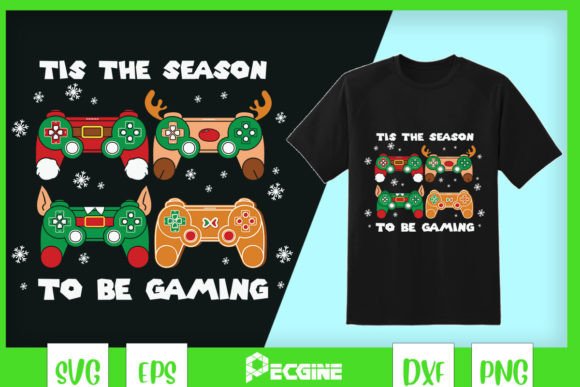
Tis the Season to Be Gaming Christmas
In my years reviewing machine embroidery design files for real-world application, I have learned that the most successful projects are not just about having a pretty image; they are about how that image translates from a screen to fabric. When I first encountered the file set titled Tis the Season to Be Gaming Christmas, my initial reaction was one of genuine curiosity. The concept of merging holiday cheer with gaming culture is a niche that has exploded in recent years, yet finding a clean, executable design for it remains a challenge for many embroidery designers and craft business owners.
This review focuses on practical application. I am looking at this product not as a digital asset to be downloaded, but as a physical component of a finished product destined for a customer's hands. Whether you are an Etsy seller preparing for the holidays or a boutique owner creating custom apparel, the difference between a good design and a great one often lies in the execution details.
The First Impression: Mood and Visual Personality
Tis the Season to Be Gaming Christmas immediately establishes a playful, modern tone. It moves away from traditional, stuffy holiday aesthetics and embraces the "nerd chic" vibe that defines contemporary gift-giving. For a designer, the layout is the first thing to scrutinize. Does the text flow naturally? Are the graphical elements balanced, or does one side feel heavier than the other?
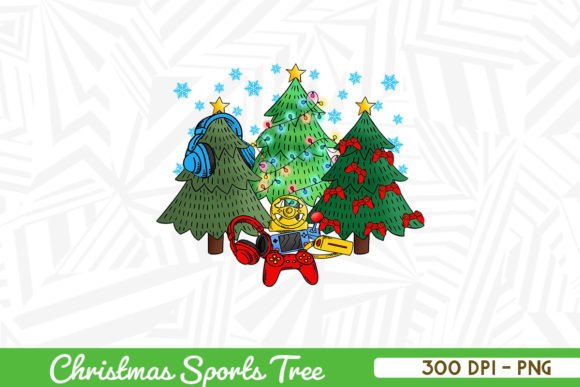
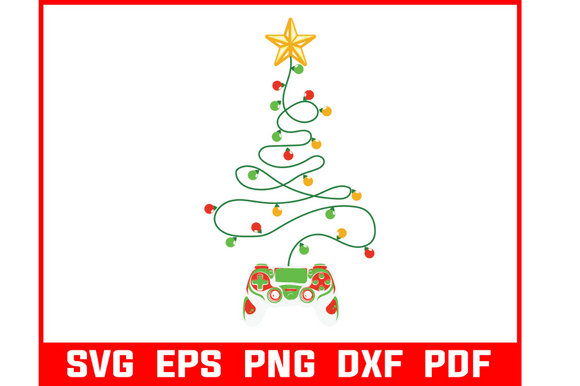
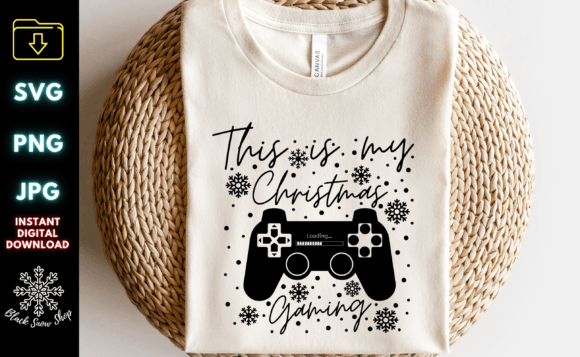
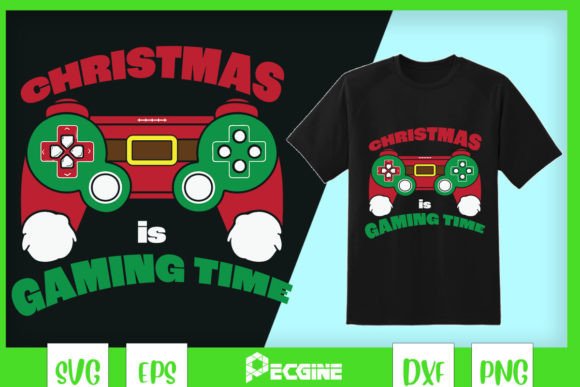
Visually, the design feels tailored for the custom apparel market. It screams casual comfort rather than formal elegance. This suggests that its natural home is on softer garments like hoodies, sweatshirts, or perhaps a durable canvas tote bag. The typography appears bold enough to hold up under a satin stitch, which is crucial for legibility. If the lettering were too thin or intricate, it would risk collapsing into a blob during the stitching process, especially on stretchy fabrics. The inclusion of gaming motifs alongside seasonal imagery creates a unique brand identity that could appeal strongly to a specific demographic: parents who game, streamers, or hobbyists who want their passion reflected in their holiday decor.
Real-World Application: From Screen to Stitch
To truly evaluate this design, we must imagine it in action. Let us consider a scenario where I am preparing a batch of limited-edition holiday gifts for a client who runs a small tech shop. They want to offer embroidered patches or aprons featuring this exact theme. How would Tis the Season to Be Gaming Christmas perform?
On a heavy cotton sweatshirt, the design would likely shine. The density required for the fill stitches would provide a nice texture against the fleece, making the colors pop. However, if I were to attempt this on a baby onesie, I would need to be extremely cautious. The design seems to have a fair amount of detail. While adorable for an older child, tiny details can sometimes get lost or become scratchy on infant skin. In this case, the design might be better suited for a larger item, such as a pillow cover or a kitchen towel, where the scale allows the stitches to breathe without overwhelming the fabric.
For an Etsy seller looking to list a handmade product, the visual appeal of this file is a strong selling point. Customers browsing for personalized gifts are often looking for something that resonates with their specific interests. A standard snowman is common; a gamer-themed holiday motif stands out. If executed well, this design increases the perceived value of the finished product. It transforms a generic piece of merchandise into a thoughtful, curated item. The transparency of the background in the provided PNG files ensures that when you create your mockups, the design sits cleanly on your product images, which is vital for driving clicks and sales.
Where Caution is Required
Even the best embroidery file can fail if placed on the wrong substrate. There are specific scenarios where Tis the Season to Be Gaming Christmas requires careful consideration before hitting the "start" button on your machine.
First, consider the hoop size. If the design is large, attempting to stitch it on a small 4x4 hoop will result in excessive re-hooping, which inevitably leads to alignment issues and puckering. You must verify the dimensions of the design before committing to a project. Similarly, textured fabrics like terry cloth or thick denim can hide the definition of the stitches. On these materials, the thread may not lay flat, causing the design to look muddy or uneven.
Stretchy fabrics present another hurdle. While jersey knit is popular for t-shirts, it requires a stabilizer system that prevents the fabric from distorting under the tension of the needle. If you use a design with high stitch density on a loose weave without adequate backing, the fabric will pucker around the edges, ruining the professional look of the final product. Furthermore, dark fabrics demand a different approach. You may need a tear-away or cut-away stabilizer underneath to support the weight of the threads, ensuring the colors remain vibrant and distinct.
Finally, be mindful of curved surfaces like baseball caps. While possible, complex designs with sharp corners or dense text can be difficult to execute perfectly on a curved brim. The perspective shifts, and what looks balanced on a flat screen may appear distorted once stitched onto the cap. For these items, simpler layouts often yield more consistent results.
Technical Notes for the Professional Designer
Before you begin your next embroidery project, there are several technical steps that separate a hobbyist from a pro. Always test the design on scrap fabric that matches your final material. This allows you to check the thread color contrast and ensure the stitch density is appropriate. If the design is too dense, it may cause the needle to break or the fabric to bunch up. If it is too sparse, the design may lack presence.
Review the stitch types included in the file. A mix of satin stitch for outlines and fill stitch for solid areas is standard, but you should inspect the running stitch details to ensure they are long enough to avoid thread breaks. Confirming the hoop size requirements is essential for planning your production workflow. If you are producing multiple units, efficiency matters, and knowing the exact dimensions helps you optimize your setup.
Inspect small details closely. Sometimes, fine lines in a vector file do not translate well to thread. What looks crisp on a monitor might disappear after stitching. Testing in black and white mockups can also help you visualize the contrast levels before you even buy the thread. Additionally, check whether the design works for both personal and commercial projects. Many digital embroidery files come with licensing restrictions that prevent you from selling the finished items. Always confirm the terms before listing a product on your shop.
Final Thoughts on Value and Presentation
The success of any handmade product relies heavily on the quality of the design assets used. Tis the Season to Be Gaming Christmas offers a fresh take on holiday themes that can elevate a brand's aesthetic. It speaks directly to a community that values both tradition and technology. By paying attention to the nuances of fabric selection, stabilizer usage, and stitch density, you can ensure that the final product meets the high standards your customers expect.
Whether you are creating a personalized gift for a friend or building a line of small shop products for the holiday rush, this design provides a solid foundation. It balances creativity with wearability, making it a versatile addition to your collection of design assets. Just remember that the magic happens in the preparation. Take the time to test, adjust, and refine, and you will find that this design can be the star of your next commercial embroidery venture.
Ultimately, the goal is to create something that brings joy and pride to the wearer. With the right execution, Tis the Season to Be Gaming Christmas can certainly do just that, turning a simple piece of fabric into a cherished keepsake for the holidays.